




Life Cycle & Eco-Design
Our approach: reconciling product performance and environmental challenges
At Coverguard, protecting workers goes hand in hand with paying close attention to the environmental impacts of our products.
We strive to analyze these impacts across the entire life cycle and to guide our reduction actions, while ensuring that impact transfers between the different stages are limited.
Life Cycle Assessment: a scientific tool for action
Life Cycle Assessment (LCA) and the PEF method help us better understand the environmental impacts of our products.
They assess all stages of the life cycle, from the origin of raw materials to end of life: manufacturing, packaging, transport, use, and recycling.
This scientific and recognized approach enables us to measure and compare impacts in order to guide our design decisions.
The environmental indicators we monitor
We analyze our products based on 16 PEF indicators, grouped into four main families, in accordance with the methodology developed by the European Union:
Climate
- Climate change

Resources
- Depletion of non-renewable mineral resources
- Depletion of non-renewable energy resources
- Land use
- Depletion of water resources
Ecosystems
- Acidification
- Terrestrial, marine, and freshwater eutrophication
- Freshwater ecotoxicity

Human health
- Fine particulate matter
- Ozone layer depletion
- Ionizing radiation
- Photochemical ozone formation
- Human toxicity, carcinogenic and non-carcinogenic
Carbonfact: a partner supporting our environmental data analyses
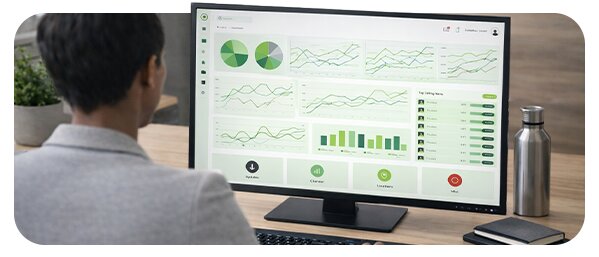
To structure and ensure the reliability of our analyses, we work with Carbonfact, a platform dedicated to product Life Cycle Assessment (LCA), based on our product and supplier data.
Carbonfact notably enables us to:
- carry out LCAs in compliance with the PEF method
- integrate our material, supplier, and production site data
- compare different scenarios in order to guide the choice of the most relevant options from an environmental perspective
- calculate our greenhouse gas emissions in line with GHG Protocol standards (scopes 1, 2, and 3).
This approach helps us support our design decisions with structured data and integrate environmental challenges from the early stages of product development.
2024: a key milestone for Coverguard
In 2024, we carried out environmental analyses across all our main product ranges:
Textile / Gloves / Footwear / Head protection / Fall protection / Disposable products
This milestone provides us with quantified data to better understand the environmental impacts of our ranges and guide the future evolution of our products.
Our objectives for tomorrow
Our objectives for the next steps:
- Reduce the uncertainty of our Life Cycle Assessments to a maximum of 10%
- Simulate and compare different alternatives to better control impacts from the design stage
- Measure our CO₂ emissions and structure reduction targets at the company level
- This approach aims to gradually integrate environmental challenges into our product development, alongside safety and performance requirements.